On 30 October 2026, the Confederation of African Football announced a partnership with the Uganda Tourism Board to promote Uganda during AFCON PAMOJA 2027. Uganda will co-host the tournament with Kenya and Tanzania from 19 June to 17 July 2027.
For hotels and tourism businesses, that international attention creates a practical question: how will the visitor experience feel when guests arrive?
Smiling Faces International sees hospitality readiness as work that starts before a busy arrival day. It connects people, operating standards and useful systems, so a property's promises can be delivered consistently.
Start with the guest journey
A visitor's experience includes the booking enquiry, confirmation, arrival, room readiness, meals, local information and departure. Each handover matters. A friendly reception can be undermined by an unprepared room, unclear charges or a request that disappears between departments.
A useful readiness review follows that whole journey. It identifies the points where guests wait, repeat themselves or receive conflicting information. Management can then agree what to fix, who owns the action and how progress will be checked.
Train the people who deliver the welcome
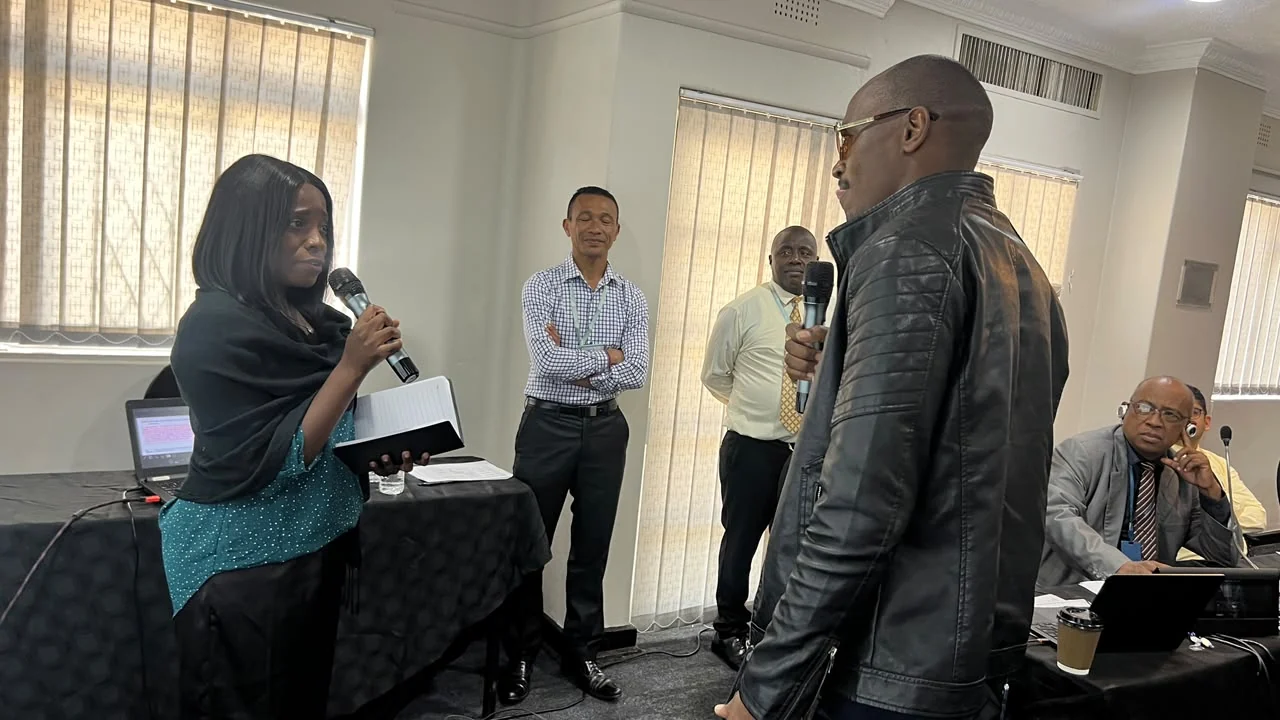
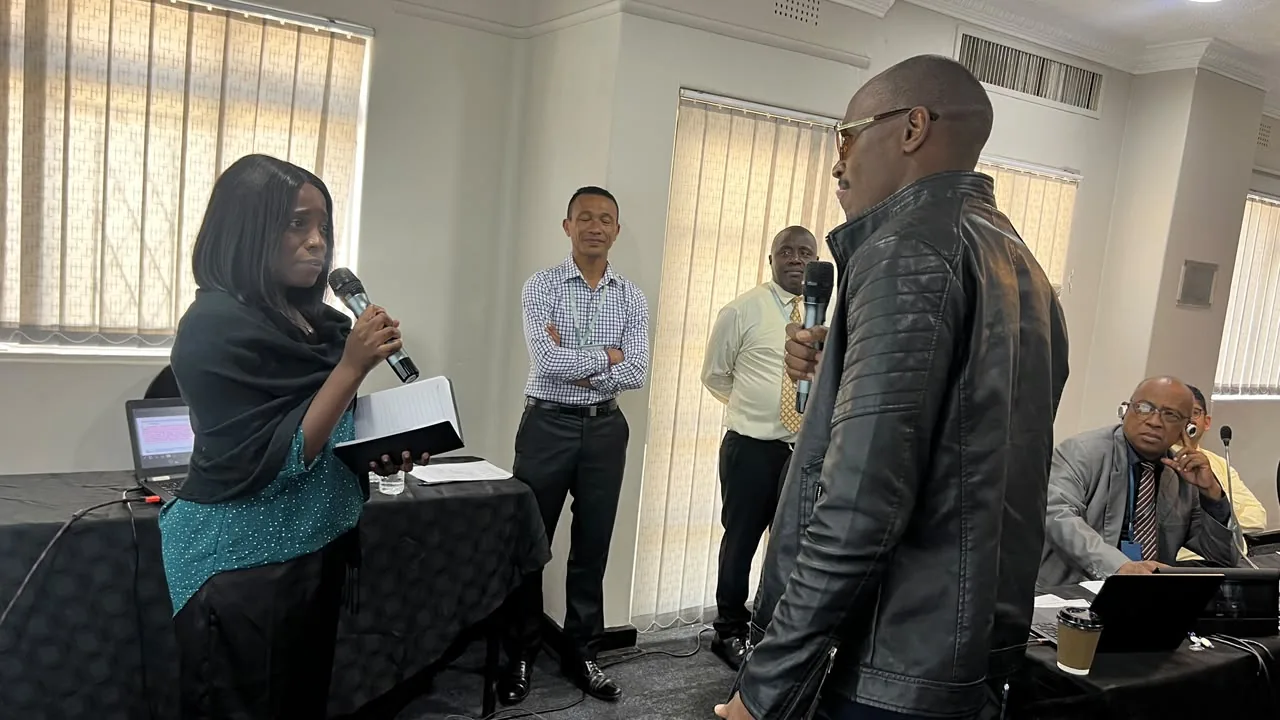
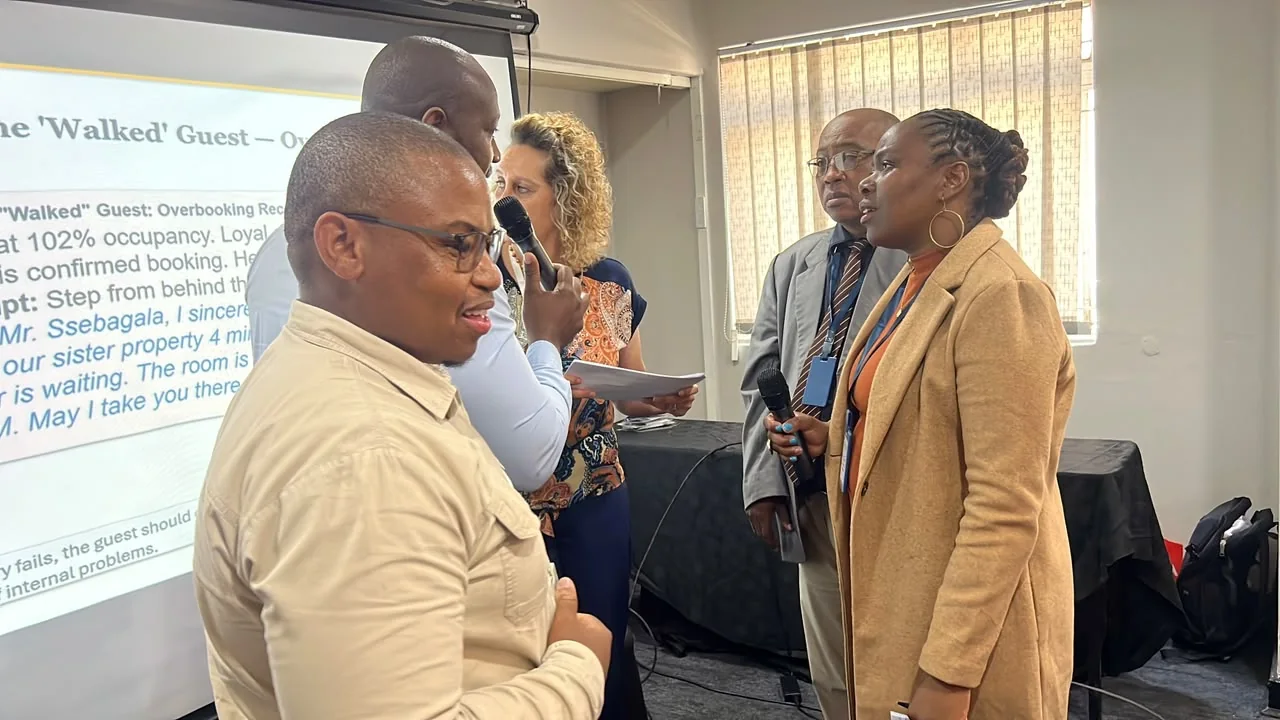
Front office, food and beverage, housekeeping and supervisors need shared expectations. Practical preparation should include group arrivals, early departures, busy breakfast periods, respectful communication and service recovery when something goes wrong.
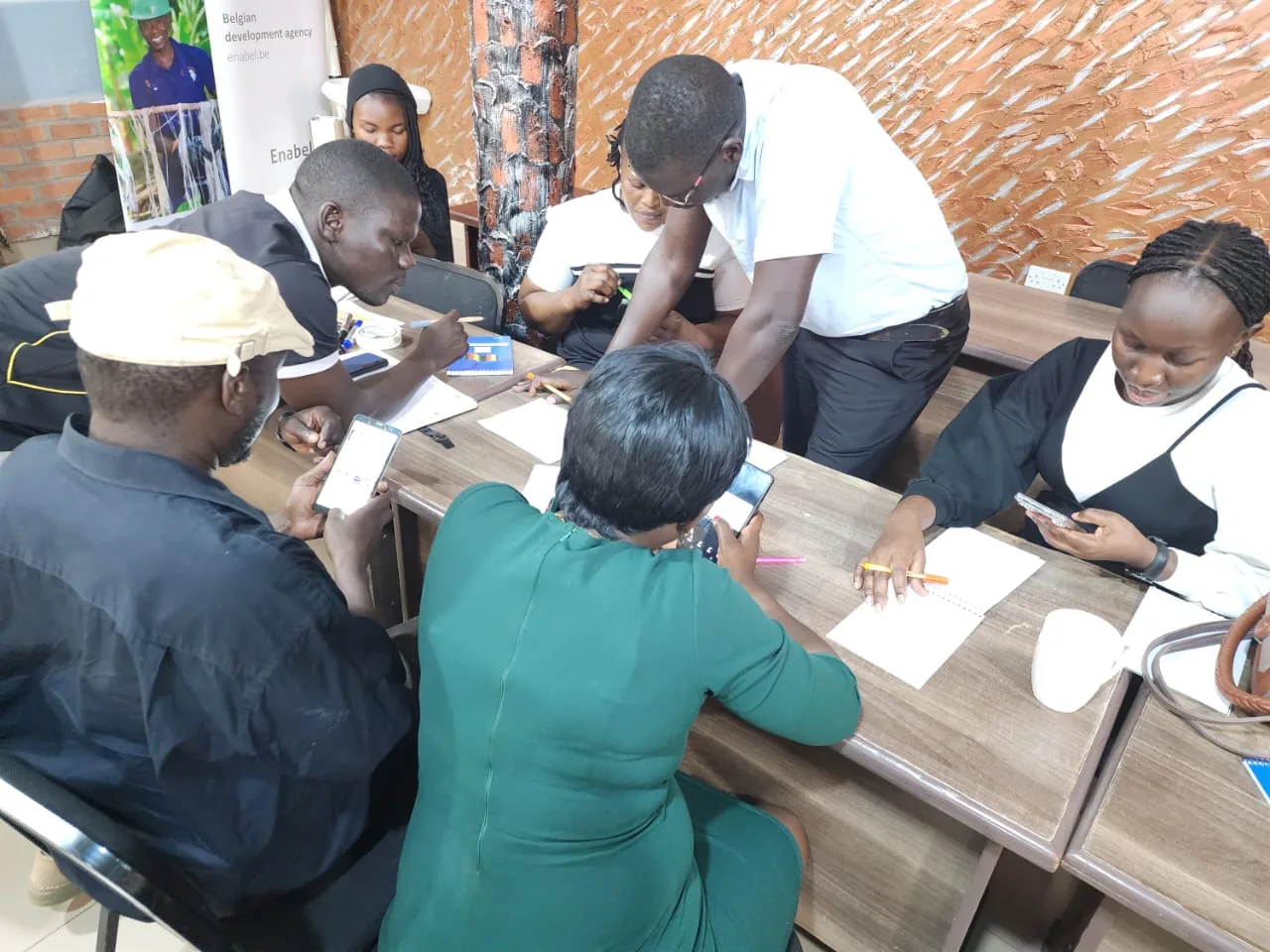
Training works best when managers participate in the follow-through. Short briefings, realistic role-play, clear service checklists and coaching on the job help teams apply learning during an actual shift.
SFI's hospitality training and consulting focus on the operating context: the property, the team, the service challenge and the improvement the business wants to make.
Use technology to support reliable service
A hotel management or point-of-sale system is most useful when the team knows how to use it well. Accurate reservations, clear room-status updates, consistent billing and reliable reports can help staff respond with confidence.
Through its collaboration with Shemex, SFI can bring hotel-operations understanding into conversations about suitable management systems, staff adoption and practical workflows. Technology choices should follow a property's needs, connectivity, support arrangements and responsibilities for guest information.
Measure readiness and keep improving
A readiness programme should produce more than a workshop attendance list. Useful evidence can include completed operating checklists, managers demonstrating new routines, faster follow-up on guest requests and a repeat review of the original service gaps.
The aim is consistent delivery that lasts beyond a single busy period. Properties can begin with a focused review, agree a manageable action plan, practise the most important routines and revisit progress before demand increases.
A practical invitation to hospitality partners
SFI welcomes conversations with hotel owners, general managers, tourism operators and industry associations about training, operating standards, independent service reviews and the effective use of hotel systems.
The AFCON opportunity can help focus that preparation. The long-term value will come from guest experiences that encourage positive recommendations and future visits.
To discuss a hospitality-readiness engagement, contact SFI through the website enquiry form or its published business contacts.
Context: CAF's official partnership announcement and FUFA's coverage, both dated 30 October 2026. This is SFI's independent hospitality-readiness perspective.